
Rental Property Showing Best Practices for Landlords

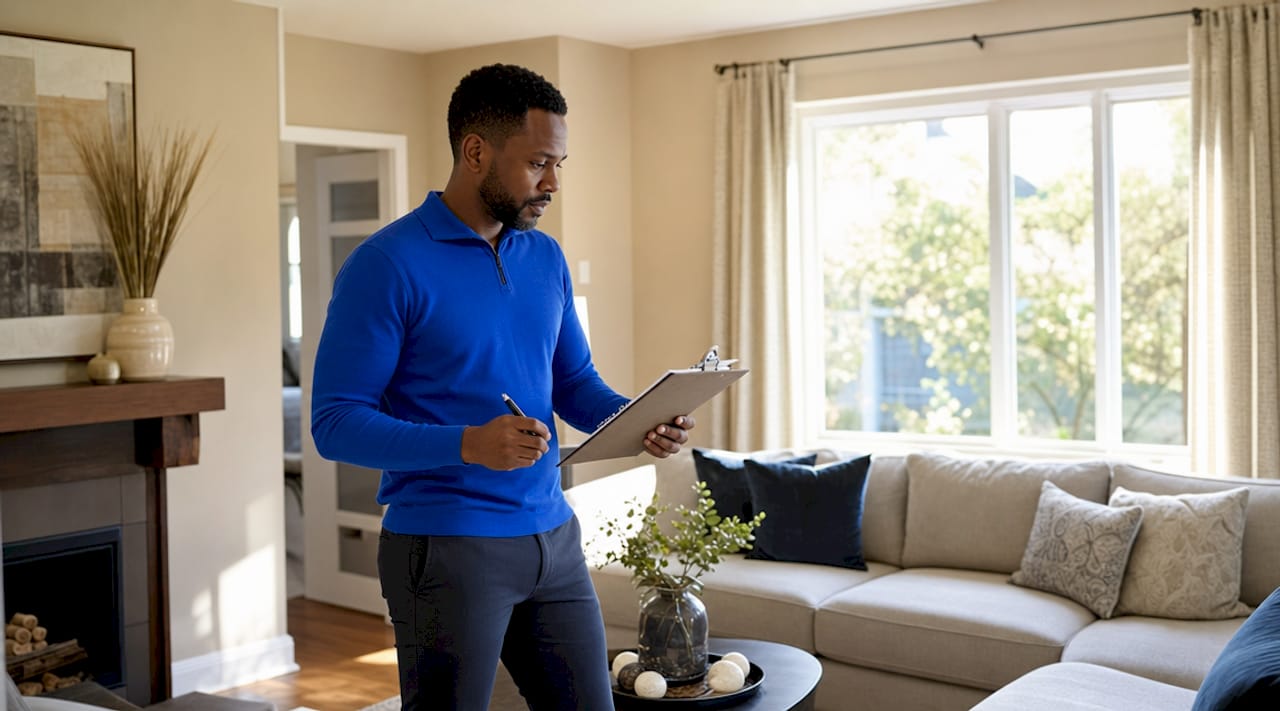
Rental property showing best practices are the structured set of preparation, presentation, and security protocols that determine how quickly and reliably you lease to quality tenants. Every showing is a direct reflection of your management standards. Landlords who treat showings as a system, not an afterthought, fill vacancies faster, attract more qualified applicants, and avoid the legal exposure that comes from inconsistent practices. This guide covers the full process: preparing vacant and occupied units, running self-showings with smart technology, staying fair housing compliant, and following up in a way that converts prospects into signed leases.
1. Rental property showing best practices start with preparation
A thorough showing preparation checklist covers 28 key inspection points across curb appeal, interior presentation, safety, marketing, and compliance, and takes 30 to 60 minutes per vacant showing. That time investment pays for itself the moment a qualified prospect walks through the door and sees a property that looks move-in ready. Skipping this step is the single fastest way to lose a strong applicant to a competing unit.
Start outside. Clean the entryway, trim landscaping, replace burned-out exterior lights, and confirm your signage is visible and professional. First impressions form before a prospect opens the front door, and a neglected exterior signals neglected management.

Inside, focus on four variables: cleanliness, lighting, odor, and temperature. Deep cleaning and maximizing light by opening all window treatments and turning on every light significantly impacts how prospects perceive the unit’s value. Neutralize odors with ventilation rather than heavy air fresheners, which many prospects find off-putting. Set the thermostat to a comfortable temperature before anyone arrives.
Safety checks belong on every home showing checklist. Test all locks, confirm smoke and carbon monoxide detectors function, and remove any hazards from walkways or common areas. A property that feels secure communicates professionalism before a single word is spoken.
Pro Tip: Pre-assemble a showing packet with the rental application, lease terms, pet policies, and community rules. Having all documents ready on-site improves professionalism and eliminates inconsistent answers during tours.
2. How to show a tenant-occupied rental without damaging the relationship
Showing occupied units respectfully means keeping showings short, notifying tenants well in advance, and never rearranging their belongings without consent. Tenant cooperation directly improves how your property presents, and goodwill built during the leasing transition often translates into longer retention from the incoming tenant who sees a well-managed building.
State law in most jurisdictions requires 24 to 48 hours of advance written notice before entering an occupied unit. Follow the legal minimum as a floor, not a ceiling. Giving tenants 48 to 72 hours notice and scheduling showings during convenient windows shows respect and reduces friction.
A few practices that protect the relationship:
Keep individual showings to 20 minutes or less
Never move or stage tenant belongings without explicit written consent
Offer a small incentive, such as a one-time cleaning service or a partial rent credit, to tenants who maintain the unit well during the listing period
Communicate clearly about how many showings to expect per week and for how long the listing will be active
Pro Tip: Send tenants a brief written update each week during the listing period. This small gesture reduces anxiety, keeps the unit accessible, and signals that you value the relationship even as it winds down.
3. Self-showings and smart lock technology for efficient tours
Self-showings reduce vacancy time and save landlords considerable time by allowing pre-screened prospects to tour a unit independently during a defined window. The self-showing workflow follows a clear sequence: inquiry, pre-screening, unique code issuance, scheduled tour of 20 to 30 minutes, and follow-up within 24 hours.
The technology stack that makes this work safely centers on smart locks with three non-negotiable features:
Unique, time-limited codes issued per prospect, never reused
Auto-lock function that re-secures the property after the showing window closes
Activity logs that confirm entry and exit times for every showing
Smart locks with audit trails reduce security risks by confirming exactly who entered and when, without requiring your physical presence. Pair smart locks with exterior cameras and contact or motion sensors for a complete security layer. Brands like Schlage, Yale, and August all offer property management-grade smart locks with these capabilities.
Here is a comparison of self-showing versus traditional showing formats:
Factor | Self-showing | Traditional showing |
Landlord time required | Minimal after setup | 30 to 60 min per tour |
Prospect flexibility | High (flexible windows) | Limited to your schedule |
Security controls | Audit logs, expiring codes | Physical presence |
Best for | Vacant units, high volume | Occupied units, premium properties |
Access codes for self-showings must be treated as tightly controlled systems: unique codes issued per prospect, verified by lock logs after each showing. Never use a master code for showings. That single rule prevents unauthorized access and keeps your audit trail clean.
Pro Tip: Send the access code 1 to 2 hours before the scheduled showing, not days in advance. This limits the window of access and keeps the security system tight.
4. Fair housing compliance during showings and screening
Fair housing compliance requires avoiding discriminatory advertising language, applying the same screening criteria to every applicant, and documenting every decision. The Fair Housing Act protects seven classes: race, color, national origin, religion, sex, familial status, and disability. Violations do not require intent. A single inconsistent showing practice or a poorly worded listing can trigger a complaint.
Discrimination risk appears in subtle places, not just final selection decisions. Advertising language and screening questions carry legal exposure. Phrases like “adults only,” “perfect for young professionals,” or “no Section 8” in a listing are Fair Housing Act violations. Every prospect must receive the same information, the same showing experience, and the same application process.
Key compliance practices for every showing:
Use objective, written screening criteria: minimum income threshold, credit score floor, rental history requirements
Apply those criteria uniformly to every applicant without exception
Document your decision for every application, approved or denied
Train every leasing agent or team member who conducts showings on fair housing rules before they interact with a single prospect
Establish a written reasonable accommodation policy and communicate it proactively
Even when using tenant screening software, property managers remain legally responsible for compliance. The algorithm does not absorb your liability. Written, objective, uniformly enforced criteria are your protection.
Pro Tip: Review your listing copy against the Fair Housing Act checklist before every new posting. What sounds neutral to you may carry discriminatory implications under the law.
5. Improving rental showings through follow-up that converts
Prompt follow-up within 24 hours after a showing keeps prospects engaged and directly improves leasing conversion rates. The first landlord to respond to an inquiry typically gets the showing. Speed from inquiry to scheduled tour is one of the highest-leverage variables in your leasing process.
A structured follow-up system includes:
A thank-you message sent within 24 hours of every showing, with a direct link to the rental application
A showing feedback log that tracks each prospect’s name, contact information, showing date, and outcome
A standard pre-screening message sent within two hours of every new inquiry to qualify prospects before scheduling
A clear timeline communicated to every prospect: when you will review applications, when you will make a decision, and when the unit is available
Avoid the common mistake of following up once and going silent. Two to three touchpoints over five to seven days, spaced appropriately, keeps your unit top of mind without applying pressure. Property management platforms like Buildium, AppFolio, and Rent Manager all offer automated follow-up sequences that handle this without manual effort.
The showing feedback log is underused by most landlords. Tracking which features prospects mention positively or negatively gives you data to improve future showings and adjust your listing description to better match what applicants actually value.
Key takeaways
Effective rental property showings require preparation, legal compliance, and fast follow-up working together as a system, not as isolated tasks.
Point | Details |
Preparation drives first impressions | A 30 to 60 minute pre-showing checklist covering curb appeal, lighting, and safety sets the tone for every tour. |
Tenant-occupied showings need structure | Advance notice, short tours, and small incentives protect tenant relationships and property presentation. |
Self-showings require security controls | Unique expiring codes, auto-lock, and audit logs are non-negotiable for safe self-guided tours. |
Fair housing compliance is always active | Screening criteria, advertising language, and showing practices all carry legal exposure under the Fair Housing Act. |
Follow-up speed determines conversion | Responding within 24 hours and maintaining a showing log directly improves application rates. |
What I’ve learned about showings after years of managing rentals
Most landlords treat the showing as the end of the preparation process. It is actually the beginning of the tenant relationship. How you conduct a showing tells a prospect exactly how you will manage their tenancy. A disorganized tour, a unit that smells like the previous tenant, or a landlord who cannot answer basic lease questions communicates one thing clearly: this is not a well-managed property.
The self-showing model changed how I think about efficiency. When you build the right security stack, including smart locks, cameras, and expiring codes, you can run more showings in a week than any single landlord could manage in person. That volume matters when you are trying to fix a vacancy process that is costing you cash flow every day the unit sits empty.
That said, technology does not replace judgment. Occupied units, premium properties, and any situation involving a reasonable accommodation request deserve a human presence. The best operators I have seen combine self-showings for high-volume vacant units with traditional tours for situations that require nuance.
Fair housing compliance is the area where I see the most avoidable mistakes. Landlords who think they are compliant because they do not discriminate in their final decision often miss the exposure sitting in their listing copy or their pre-screening questions. Review everything in writing, train everyone who touches the leasing process, and document every decision. That discipline protects your investment and your reputation.
— Main
How 2ndstreetpropertymanagement handles showings for investors
Running effective showings across a rental portfolio takes systems, training, and consistent execution. 2ndstreetpropertymanagement handles the full leasing cycle for investors, from property preparation and marketing to fair housing compliant tenant screening and lease execution.
If you are managing showings manually and losing time or prospects in the process, the team at 2ndstreetpropertymanagement brings the operational structure that turns vacancies into signed leases faster. Every showing is conducted with the preparation standards and legal compliance protocols outlined in this guide. Visit 2ndstreetpropertymanagement.com to learn how professional showing management translates directly into better tenant quality and lower vacancy costs for your portfolio.
FAQ
What should I do before every rental property showing?
Complete a pre-showing checklist covering curb appeal, interior cleanliness, lighting, odor, temperature, safety checks, and on-site leasing materials. This process takes 30 to 60 minutes and directly impacts how prospects perceive the property’s value.
How much notice do I need to give a tenant before a showing?
Most states require 24 to 48 hours of written advance notice before entering an occupied rental unit. Giving 48 to 72 hours notice and scheduling during convenient times protects the tenant relationship and improves cooperation during the listing period.
Are self-showings safe for rental properties?
Self-showings are safe when paired with the right security controls: unique time-limited access codes per prospect, auto-locking smart locks, exterior cameras, and activity logs that confirm entry and exit. Never use a master code for prospect access.
What fair housing mistakes do landlords make during showings?
The most common violations appear in advertising language and pre-screening questions, not just final tenant selection. Phrases like “adults only” or “no Section 8” in a listing are Fair Housing Act violations. Apply the same objective screening criteria to every applicant and document every decision.
How quickly should I follow up after a rental showing?
Follow up within 24 hours of every showing with a thank-you message and a direct link to the rental application. The first landlord to respond to an inquiry typically secures the showing, and speed throughout the process improves leasing conversion rates.
Recommended
Comments