
Landlord Maintenance Obligations Explained for 2026
- Rey Rey Rodriguez
- 20 hours ago
- 7 min read

Landlord maintenance obligations are the legally mandated duties to keep rental properties safe, habitable, and in good repair throughout the tenancy period. These duties cover everything from structural integrity to gas, electrical, and heating systems. Section 11 of the Landlord and Tenant Act 1985 is the primary statutory foundation, and it applies regardless of what your lease says. The Homes (Fitness for Human Habitation) Act 2018 and the Renters’ Rights Act 2025 add further layers of accountability. Failing to comply exposes you to legal penalties, tenant claims, and fines reaching up to £30,000.
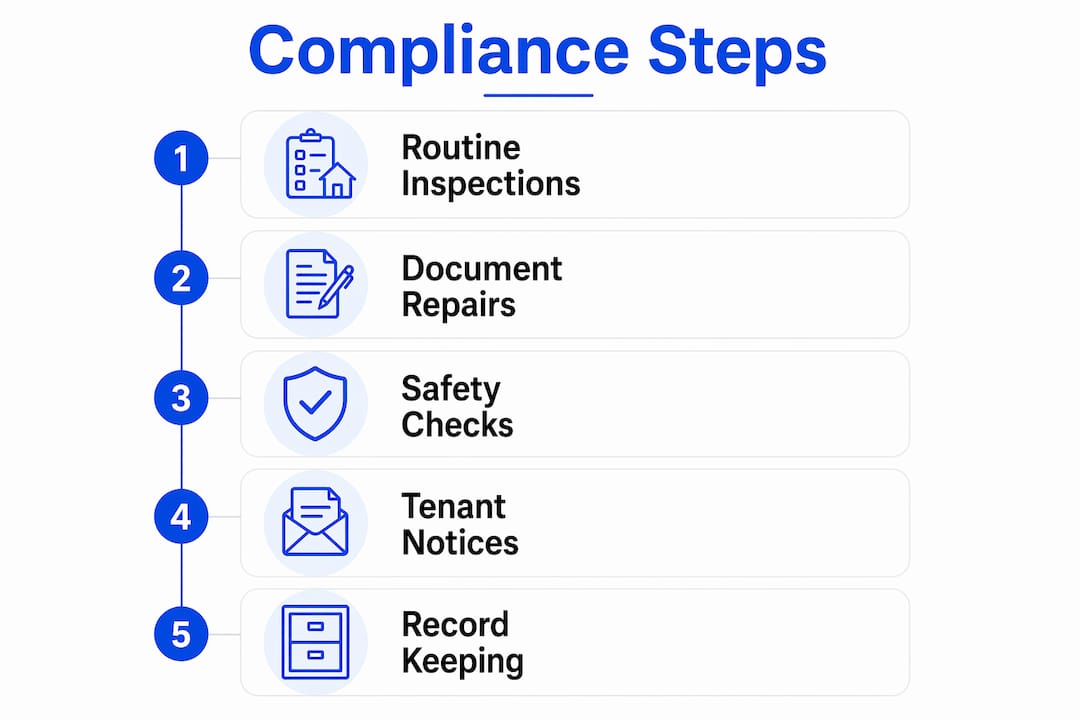
Landlord maintenance obligations explained: what the law requires
Your core repair duties under Section 11 cover the structure and exterior of the property, plus all key installations. These obligations attach to the tenancy by statute. Any lease clause that tries to shift these duties onto the tenant is unenforceable by law.
Here is what you must maintain:
Structure and exterior: Roof, walls, foundations, external windows, external doors, gutters, and drains
Water and sanitation: Pipes, basins, sinks, baths, toilets, and drainage systems
Heating and hot water: Boilers, radiators, and all associated pipework
Gas installations: All gas pipes, fittings, and appliances supplied by the landlord
Electrical systems: Wiring, sockets, switches, and fixed electrical installations
Safety compliance sits on top of these structural duties. You must carry out an annual gas safety check and issue tenants a Gas Safety Record, known as the CP12. Records must be kept for two years. An Electrical Installation Condition Report (EICR) is required every five years. If the EICR identifies a Code 1 or Code 2 defect, you have 28 days to complete remedial work or face fines up to £30,000.
You must also provide smoke alarms on every storey and carbon monoxide alarms in any room with a combustion appliance. These have been legally mandated since 2022. Testing them at the start of each tenancy is your responsibility, not the tenant’s.
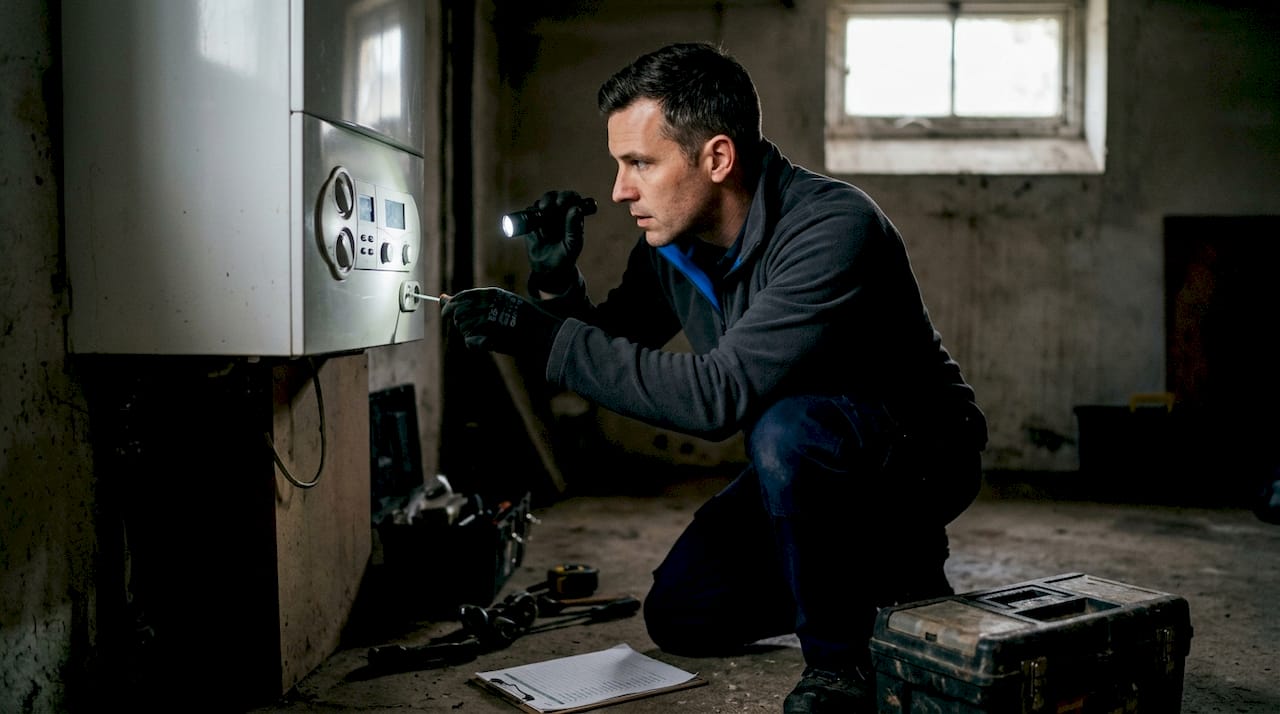
Pro Tip: Conduct a legionella risk assessment before each new tenancy. It is a legal duty many landlords overlook, and it costs far less than the liability of ignoring it.
How quickly must you respond to repair requests?
Your obligation to act begins the moment you have notice of a repair need. Landlord repair duty is triggered by actual notice (a tenant tells you directly) or constructive notice (you should have known through routine inspection). Once notice exists, you must act within a “reasonable time.” What counts as reasonable depends entirely on the urgency.
Emergency repairs: A boiler failure in winter, a burst pipe, or a gas leak requires a response within hours. Awaab’s Law, which extends into the private rental sector, enforces strict timeframes for hazards that pose an immediate risk to health.
Urgent but non-emergency repairs: A broken window latch or a faulty hot water system warrants action within 24–48 hours. Delay creates both legal risk and tenant dissatisfaction.
Routine repairs: Non-urgent issues like a dripping faucet or a stiff door hinge allow a few days to a couple of weeks, depending on severity and impact on habitability.
Structural concerns: Damp, roof damage, or subsidence require prompt professional assessment, even if full remediation takes longer. Documenting your response timeline protects you legally.
Courts assess whether you acted promptly once you had notice. Delays that cause further damage or health risks shift liability firmly onto you. The cost of a slow response almost always exceeds the cost of the original repair.
Pro Tip: Log every tenant repair request with a timestamp the moment it arrives. A simple spreadsheet or property management app creates the paper trail that protects you in any dispute.
What are the boundaries between tenant and landlord repair duties?
The “tenant-like manner” rule defines what tenants are expected to handle themselves. Tenants must use the property responsibly, carry out minor upkeep, and avoid causing damage through negligence. However, landlords remain liable for all structural repairs and major installation maintenance, even when tenant behavior contributes to the problem.
Typical tenant responsibilities include:
Replacing light bulbs and batteries in smoke alarms
Keeping the property reasonably clean and ventilated to prevent condensation mold
Reporting repair needs promptly and in writing
Minor garden upkeep such as mowing and weeding
Repairing damage they directly caused through misuse or negligence
Landlord responsibilities remain fixed regardless of tenant behavior:
Structural repairs to walls, roof, floors, and foundations
Maintaining gas, electrical, and plumbing installations
Fixing heating and hot water systems
Addressing damp or mold caused by structural defects rather than tenant behavior
The line between tenant-caused condensation mold and landlord-caused structural damp is one of the most disputed areas in property management. Document the condition of the property at the start of every tenancy with dated photos and a signed inventory. That record resolves most disputes before they reach a tribunal.
Tenancy agreements can clarify responsibilities for minor items, but they cannot override statutory Section 11 duties. If your lease says the tenant is responsible for the boiler, that clause is void.
What practical strategies keep you compliant year-round?
Proactive maintenance costs less than reactive repair. Routine inspections help you catch damp, structural wear, and safety hazards before they escalate into legal problems or expensive remediation. The shift from reactive to proactive is the single biggest operational change that reduces your legal and financial exposure as a landlord.
A practical compliance framework looks like this:
Task | Frequency | Documentation Required |
Gas safety check (CP12) | Annual | Keep record 2 years, provide to tenant |
Electrical Installation Condition Report (EICR) | Every 5 years | Remediate Code 1/2 defects within 28 days |
Smoke and CO alarm testing | Start of each tenancy | Log in tenancy check-in report |
Property inspection | Every 3–6 months | Dated inspection report with photos |
Boiler service | Annual | Service record from Gas Safe engineer |
Legionella risk assessment | Per tenancy or risk change | Written assessment on file |
Beyond the compliance calendar, your record-keeping system is your legal defense. Keep dated logs of every inspection, every repair request, every contractor invoice, and every communication with your tenant. If a dispute reaches a tribunal, your documentation determines the outcome.
Access to the property for inspections and repairs requires 24-hour written notice to the tenant. Log the notice you gave and the tenant’s response every time. If a tenant refuses access repeatedly, seek legal advice before taking any further action. Forcing entry without proper process creates liability that outweighs the repair itself.
For landlords managing multiple properties, rental property maintenance planning becomes a system rather than a series of one-off tasks. Seasonal checks matter too. Pre-winter boiler servicing, gutter clearing in autumn, and checking external drainage before heavy rain are the kinds of preventative steps that protect both your asset and your tenants.
Key Takeaways
Landlord maintenance obligations are statutory, ongoing, and non-negotiable. Proactive compliance, thorough documentation, and clear tenant communication are the three pillars that protect your investment and keep you legally sound.
Point | Details |
Section 11 is non-negotiable | Statutory repair duties apply regardless of what your lease says; exclusion clauses are void. |
Safety certificates have hard deadlines | CP12 annually, EICR every 5 years, Code 1/2 defects remediated within 28 days. |
Notice triggers your duty to act | Once you know about a repair need, reasonable time starts running immediately. |
Documentation is your legal defense | Dated logs, photos, and repair records resolve disputes before they reach a tribunal. |
Proactive beats reactive every time | Routine inspections reduce repair costs and limit your legal exposure over the tenancy. |
The mindset shift most landlords make too late
Most landlords I work with come to proactive maintenance after a painful lesson. A boiler fails in january, the tenant withholds rent, and suddenly what would have been a £200 service call becomes a £2,000 legal dispute. The pattern repeats because landlords treat maintenance as a cost center rather than a risk management tool.
The legal changes taking effect in 2026 make this mindset shift non-optional. Awaab’s Law extending to private rentals means emergency hazards now carry enforceable response timeframes. The Renters’ Rights Act 2025 strengthens tenant protections in ways that shift more accountability onto landlords who fail to act promptly. Staying reactive in this environment is not just operationally inefficient. It is financially reckless.
The landlords who manage this well share two habits. They document everything, and they communicate clearly with tenants about how to report repairs. A tenant who knows exactly how to report a problem, and who trusts that you will respond, reports issues early. Early reports mean smaller repairs. That is the entire business case for good communication.
One area where I see consistent gaps is the tenant-landlord boundary on mold and damp. Many landlords assume mold is always a tenant behavior issue. Tribunals increasingly disagree. If your property has inadequate ventilation or thermal bridging, the mold is your problem regardless of how the tenant lives. Get a proper damp survey before you blame the tenant.
Professional support from a property management firm does not remove your statutory liability. You remain the responsible party under Section 11. What professional management does is reduce the operational burden and create the systems that keep you compliant. That is a meaningful distinction worth understanding before you delegate.
— Main
How 2ndstreetpropertymanagement supports your compliance
Staying on top of maintenance obligations across one or more rental properties takes more than good intentions. It takes systems, contractors, and consistent follow-through.
2ndstreetpropertymanagement is built by investors for investors, which means the team understands what compliance actually costs when it goes wrong. Services include routine property inspections, repair coordination with vetted contractors, compliance documentation for gas and electrical certifications, and tenant communication management. For landlords who want peace of mind without the operational load, explore property management support from a team that treats your portfolio like their own. You can also review practical repair strategies to sharpen your approach before handing off the work.
FAQ
What does Section 11 of the Landlord and Tenant Act 1985 cover?
Section 11 requires landlords to maintain the structure, exterior, and key installations including gas, water, electricity, and heating systems. These duties apply to all assured shorthold tenancies and cannot be excluded by contract.
How often must landlords carry out gas and electrical safety checks?
Gas safety checks are required annually, with the CP12 record kept for two years. Electrical Installation Condition Reports are required every five years, with dangerous defects remediated within 28 days.
Can a landlord make the tenant responsible for boiler repairs in the lease?
No. Any lease clause that shifts Section 11 repair duties onto the tenant is unenforceable by law. Landlords remain responsible for heating and hot water systems regardless of what the tenancy agreement states.
What counts as a reasonable time to complete repairs?
Reasonable time depends on urgency. Emergency repairs such as heating failure in winter require a response within hours. Non-urgent repairs allow days to weeks, but the clock starts the moment you receive notice of the problem.
What records should landlords keep for maintenance compliance?
Keep dated inspection logs, repair requests, contractor invoices, gas and electrical certificates, and all written communications with tenants. Thorough documentation is your primary protection in any legal dispute or tribunal hearing.
Recommended