
How to Maximize Rental Property Income in 2026

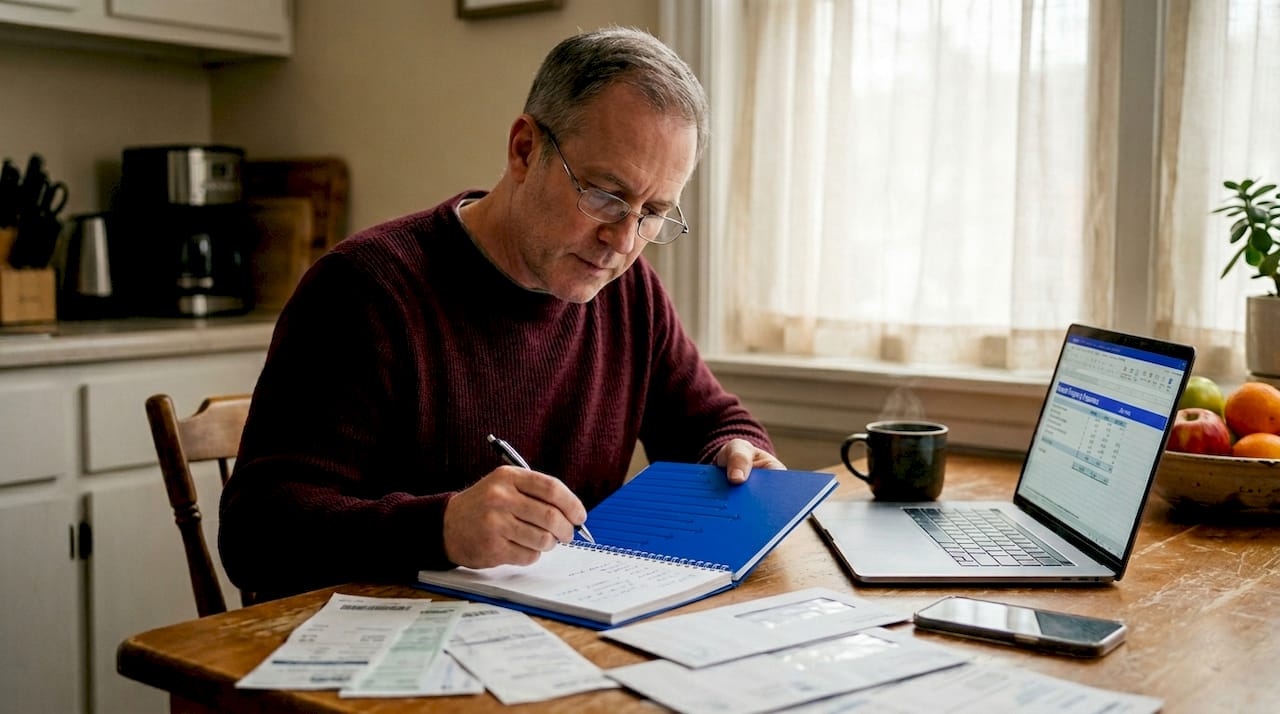
Most landlords leave money on the table every single year. Not because they lack good properties, but because they rely on one lever: raising rent. To truly maximize rental property income, you need a multi-dimensional strategy that addresses pricing, tenant quality, property improvements, and operational efficiency at the same time. This guide covers the specific tactics that separate 8–12% ROI performers from landlords stuck at 5–7%, with concrete examples and 2026-relevant benchmarks you can act on today.
Table of Contents
Key takeaways
Point | Details |
Screening is your highest ROI lever | Comprehensive tenant screening can reduce eviction rates from 15.8% to 4.1%, saving thousands per incident. |
Vacancy is more expensive than you think | A single vacant month wipes out 8.3% of your annual gross rental income before any expenses. |
Pricing beats rent hikes | Dynamic pricing and market-aligned rents generate more income than blanket annual increases. |
Upgrades need payback calculations | Only pursue improvements where the monthly rent premium pays back the install cost within two years or less. |
Tax strategy is part of net income | Depreciation, deductions, and proper recordkeeping directly increase your after-tax returns. |
Maximize rental property income: the foundation first
Before you touch pricing tools or plan renovations, you need a clear picture of where you stand financially. Net operating income (NOI) is the standard industry metric for this. NOI equals your gross rental income minus all operating expenses, excluding debt service. It tells you exactly how much your property earns before the mortgage enters the picture, which makes it the right baseline for measuring improvement.
Set realistic benchmarks. For a well-managed single-family rental in a stable market, an 8–12% ROI is achievable. Passive landlords who rely on the property to manage itself typically land in the 5–7% range. That gap is not luck. It reflects specific operational decisions.
Here is what your preparation checklist should include before executing any strategy:
Know your current NOI. Calculate it monthly, not just at tax time.
Set a vacancy rate target. Industry best practice is under 5% annually.
Define your tenant profile. Income-to-rent ratio, credit score minimums, and rental history standards should be written down before you list a unit.
Understand your local landlord-tenant laws. Lease terms, security deposit limits, and notice requirements vary significantly by state and city in 2026.
Choose your tools. Platforms like Buildium, AppFolio, and Rentec Direct handle rent collection, maintenance requests, and tenant communication in one place.
Pro Tip: Run a free rental comp analysis every six months using platforms like Rentometer or Zillow Rental Manager. If your rent is more than 5% below market, you are subsidizing your tenant’s lifestyle.
The highest-impact preparation step is actually tenant selection. Comprehensive screening reduces eviction rates from 15.8% to 4.1%, which translates to over $9,600 saved per bad-tenant situation when you factor in legal fees, lost rent, and repairs. No renovation pays back that quickly. Read more about building a reliable screening system before you go any further.
Pricing strategy and vacancy control
Vacancy is the silent income killer. One empty month destroys 8.3% of annual gross income before a single expense is counted. On a unit renting at $2,000 per month, that is $2,000 gone and $166 of annual income permanently lost per day of delay. Most landlords feel that acutely when it happens, then forget about it when it comes time to set renewal rents.
Here is a proven sequence for pricing and vacancy management:
Price to the market on day one. Overpriced listings sit. Every week of vacancy at $2,200 costs more than accepting $2,050 on day one and renewing at $2,150 next year.
Use dynamic pricing tools for short-term rentals. Software like PriceLabs or Wheelhouse adjusts nightly rates based on local demand, competitor availability, and event calendars. Aligning pricing to local events can raise daily rates by 20% or more without touching the property.
Separate long-term and short-term pricing strategies. Long-term leases favor stability and should be priced 3–5% below aggressive market ceilings to attract quality tenants who stay. Short-term rentals should be priced dynamically and managed more actively.
Market proactively, not reactively. List a unit 45–60 days before the current lease ends. Waiting until the property is vacant means you have already lost income.
Create tenant retention incentives. A $200 renewal credit or a small appliance upgrade costs far less than one month of vacancy plus turnover cleaning, painting, and advertising.
Dynamic pricing on short-term rentals can increase net operating income by as much as 78% compared to flat-rate pricing. That is not a renovation result. That is a management result, which means it is available to any landlord willing to pay attention to the data.
Pro Tip: Track your days-on-market metric for every vacancy. If it exceeds 14 days, your price is wrong or your marketing is wrong. Either way, act immediately.
High-ROI upgrades and ancillary income streams
Not every upgrade is worth doing. The right question is not “Will this improve the property?” but “How many months before this upgrade pays for itself in higher rent?”
Here is a comparison of common upgrades by payback period and typical rent premium:
Upgrade | Estimated Cost | Monthly Rent Premium | Approximate Payback |
In-unit washer/dryer | $1,500–$3,000 | $75–$150 | 10–20 months |
Smart thermostat | $200–$400 | Supports $25–$50 premium | 6–12 months |
Fresh interior paint | $500–$1,200 | Faster leasing, reduced vacancy | 1–3 months implicit |
Furnished unit | $3,000–$8,000 | $300–$600 (market-dependent) | 8–20 months |
Full kitchen remodel | $15,000–$30,000 | $100–$200 | 10–20+ years |
In-unit laundry installation yields rent premiums of $75–$150 per month with a payback period under two years. Smart thermostats are equally efficient. They cut tenant utility costs by 10–12%, which justifies a modest rent premium and reduces turnover caused by utility bill complaints.
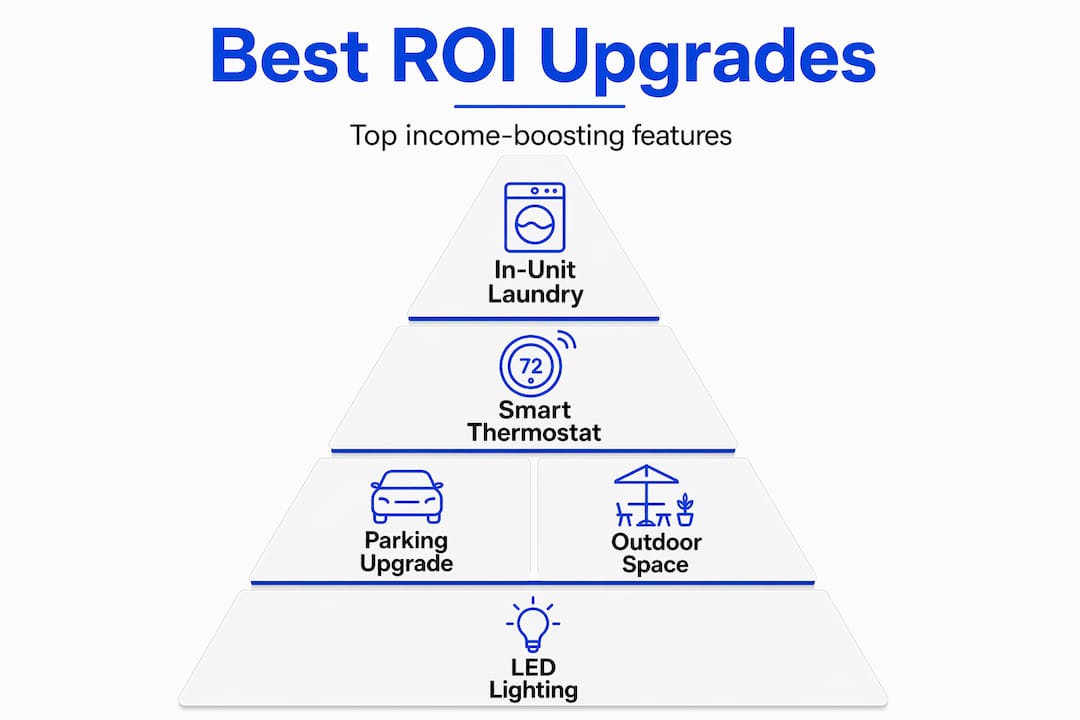
Full kitchen remodels and bathroom additions are different animals. They may increase long-term property value, but they rarely pay back within a rental income timeline. Treat them as appreciation investments, not income optimization tools.
Beyond rent itself, ancillary income streams are underused by most landlords. Consider these:
Parking fees. In urban markets, a dedicated space can add $75–$200 per month. In suburban markets with multi-car households, covered parking commands a premium.
Storage units. If you have basement or garage space, a $50–$100 monthly storage fee is pure margin.
Pet fees and pet rent. A one-time pet deposit of $250–$500 plus $25–$50 monthly pet rent is standard in most markets. Always verify what your state allows. Research the furnished rental features that matter most to tenants before investing in furnishings.
Pro Tip: Before listing a furnished unit, calculate whether your market’s furnished premium exceeds your furnishing cost amortized over a 24-month period. If not, standard unfurnished leasing produces better cash flow.
Operational efficiency and tenant retention
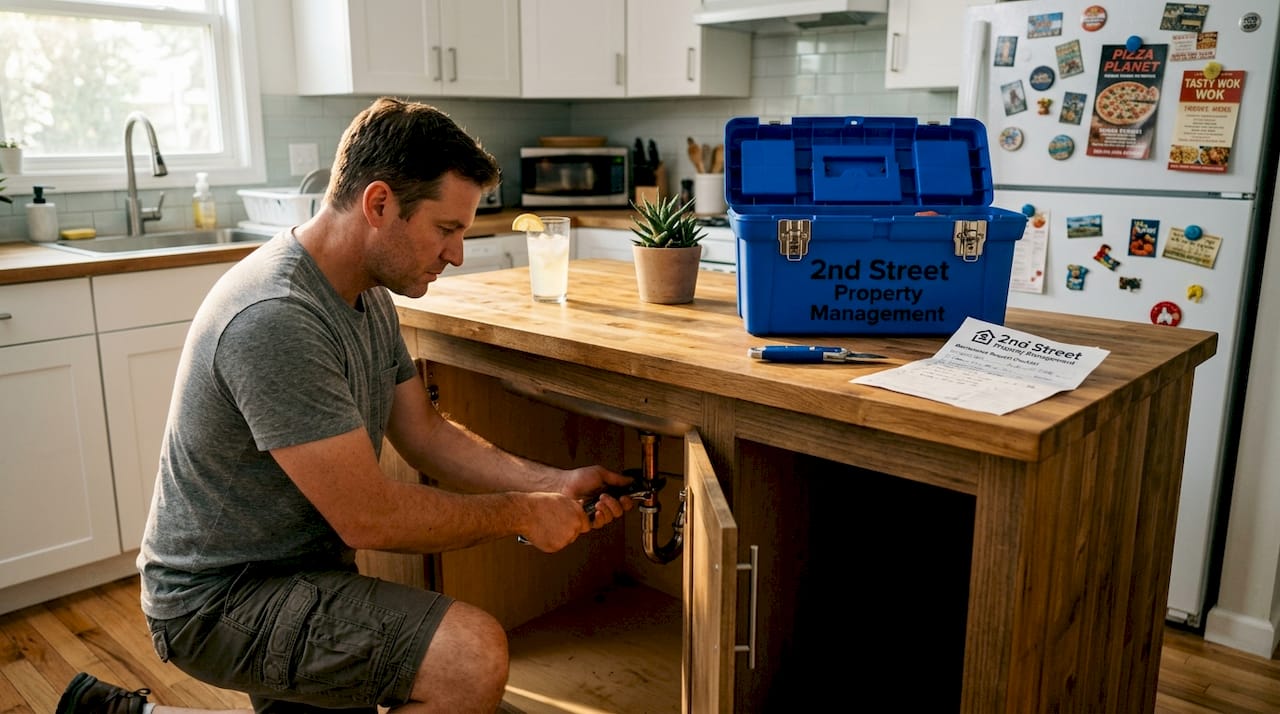
The most sustainable way to increase cash flow from rentals is to spend less while collecting the same rent. Preventative maintenance is the clearest example. A $150 HVAC filter change prevents a $2,000 emergency repair call on a Sunday evening. Catching a slow drain before it becomes a sewage backup saves both money and a tenant relationship.
Tenant screening reduces maintenance disputes by 70% and late payments by 40%. That is not just a screening benefit. It is an operational efficiency benefit. Quality tenants report issues early, pay on time, and stay longer. Each of those behaviors has a dollar value you can calculate.
Retention deserves its own focus. Turnover costs the average landlord between $1,000 and $5,000 per vacancy when you include cleaning, repairs, advertising, and lost rent. Here is how to reduce it:
Respond to maintenance requests within 24 hours. This single behavior is the most cited driver of tenant renewals in survey data.
Offer multi-year lease options. A 24-month lease at a modest discount often beats a 12-month lease at full market rate when you factor in turnover risk.
Send a renewal offer 90 days before lease expiration. Waiting until 30 days out gives tenants time to start looking elsewhere, and many will.
Use property management software for all communication. It creates a documented record and removes the friction that causes small issues to escalate.
On the DIY vs. professional management question: a property manager typically charges 8–12% of collected rent. For a landlord with one or two units who is local and attentive, DIY can work. For anyone managing more than three units, traveling frequently, or struggling with tenant issues, the math usually favors professional management. Explore how effective management protects cash flow before making that call.
Tax strategy and your net return
Gross rent is not income. What you keep after taxes and expenses is what actually matters. Many landlords focus solely on rent increases while ignoring deductions that are sitting right in front of them.
The IRS allows landlords to deduct a wide range of operating expenses directly against rental income. Common deductible expenses include:
Mortgage interest on the rental property
Property management fees
Repairs and routine maintenance (not capital improvements)
Insurance premiums
Property taxes
Advertising and tenant screening costs
Travel to and from the property for management purposes
Beyond deductions, depreciation is one of the most powerful tools in a landlord’s tax arsenal. Residential rental properties depreciate over 27.5 years under IRS guidelines. On a $300,000 building (land excluded), that is approximately $10,900 in annual depreciation you can claim against rental income, often creating a paper loss even when the property cash flows positively.
Keep audit-ready records year-round. Store receipts digitally, track mileage, and document every repair with photos and invoices. For a deeper look at structuring your deductions correctly, review the real estate tax benefits that apply to your situation.
What I’ve learned after years of watching investors get this wrong
From my perspective, the single biggest mistake I see landlords make is treating rent increases as a strategy. Raising rent 5% while vacancy sits at 15% and tenant quality is inconsistent is not progress. It confuses movement with progress, and the financial statement eventually proves it.
What actually works, in my experience, is a disciplined sequence. Start with tenant quality. Fix your screening criteria first because everything downstream, maintenance costs, vacancy frequency, late payments, gets better when your tenant selection improves. Then fix your pricing process. Price to market data, not to what you charged last year.
Only after those two levers are working should you invest capital into upgrades. I have watched investors spend $20,000 on kitchen renovations in properties with 20% vacancy rates and call it an investment. The smarter path is to fill the vacancy first, stabilize operations, and then let upgrade decisions be driven by payback calculations rather than aesthetic preferences.
The compounding effect of small operational improvements over three to five years is more powerful than any single renovation. A $100 monthly rent increase plus a $50 per month reduction in maintenance costs plus a three-day reduction in average vacancy adds up to meaningful annual income growth. That is the real strategy. Patience and data, not projects.
— Main
Ready to put this into practice?
If you have read this far, you have the framework. The question is whether you have the time and systems to execute it consistently across every property.
2ndstreetpropertymanagement was built by investors, for investors. The team handles tenant screening, market-rate pricing analysis, maintenance coordination, and lease management, giving you the operational infrastructure that separates high-performing portfolios from average ones. Whether you manage one property or ten, having a professional partner apply these rental income strategies systematically is often the difference between 6% and 10% returns. Visit 2ndstreetpropertymanagement.com to learn how the team can help you build a higher-performing rental portfolio.
FAQ
What is the fastest way to increase rental income?
The fastest way is to reduce vacancy and tighten tenant screening. Filling an empty unit one week faster and placing a more qualified tenant saves more money in the short term than raising rent ever will.
How much does vacancy really cost a landlord?
A single vacant month wipes out 8.3% of annual gross income before any expenses are counted. On a $2,000 per month unit, every day of vacancy costs roughly $67 in lost rent.
Which property upgrades have the best ROI for landlords?
In-unit laundry and smart thermostats offer the best payback periods, typically under two years. In-unit laundry alone can add $75–$150 per month in rent premium at a cost of $1,500–$3,000.
Is professional property management worth the cost?
For landlords managing more than three units or dealing with frequent turnover, professional management typically pays for itself. The screening and operational improvements alone can reduce eviction rates and late payments significantly.
What tax deductions can landlords claim in 2026?
Landlords can deduct management fees, mortgage interest, repairs, insurance, and property taxes. Residential buildings also depreciate over 27.5 years under current IRS guidelines, generating a paper loss that offsets taxable rental income.
Recommended
Comments