
New Jersey Certificate of Occupancy: Rules Every Owner Needs

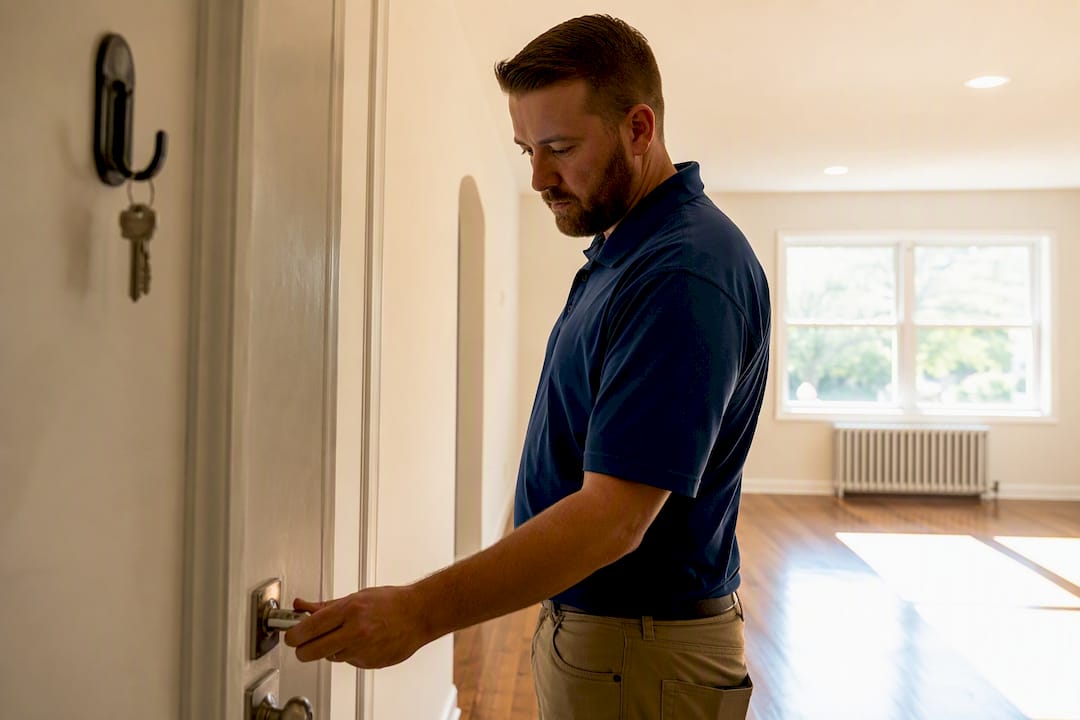
Yes, New Jersey requires a certificate of occupancy before anyone moves into a new building or a property that underwent major renovation, and the construction official must issue it within 10 business days of a complete written application when every code requirement is met. Temporary certificates exist, but they can never substitute for missing smoke detectors, sprinklers, or other life-safety systems. Many towns layer on their own habitability or rental certificates on top of the state requirement.
Your first move as an owner:
Determine whether your property needs a state CO, a municipal habitability certificate, or both.
Pull your permit history and prior approvals before you file anything.
Submit a complete written application. Incomplete paperwork is the most common reason owners miss the 10-day window.
Key Takeaways
A valid certificate of occupancy in New Jersey requires meeting state code under N.J.A.C. 5:23-2.23 and 5:23-2.24, and separately satisfying any municipal habitability rules your town enforces.
Point | Details |
Know your certificate type | Determine whether you need a final CO, a TCO, or a municipal habitability certificate before filing anything. |
File complete applications | Incomplete paperwork resets the 10-business-day issuance clock and causes most delays. |
Never skip life-safety items | TCOs cannot cover missing smoke detectors, sprinklers, or blocked egress paths under any circumstance. |
Track municipal deadlines separately | Local registration and inspection cycles run independently of state CO requirements. |
Prepare documents in advance | Permit history, prior approvals, warranties, and lease copies prevent rejected applications. |
Table of Contents
What a Certificate of Occupancy Means Under New Jersey Law
A certificate of occupancy is the construction official’s formal statement that a building is safe to use for a specific purpose. Under N.J.A.C. 5:23-2.23, the certificate records the approved use group, the maximum occupancy load, and the live-load capacity the structure was built to handle. Any stipulations, like restrictions on which floors tenants can occupy, get written directly into the document.
N.J.A.C. 5:23-2.24 sets the conditions for issuance:
The project matches the approved construction permit.
All required inspections have passed.
Fees are paid in full.
Outstanding violations have been corrected.
Protective devices like sprinklers and alarms remain operational.
Three certificate types get confused constantly. A final CO applies to new construction or a completed renovation. A certificate of continued occupancy applies when a property changes hands or changes use without new construction. A certificate of approval typically covers smaller-scope work that doesn’t rise to a full occupancy change. The construction official’s signature on any of these means the state has verified the building meets code for its intended use, not that it’s flawless forever.
When You Need One, and Which Type Applies
Not every property transaction triggers a fresh certificate requirement. The state cares about specific triggers, and knowing which one applies saves you from filing the wrong paperwork entirely.
New construction. Any newly built structure needs a final CO before occupancy, no exceptions.
Major renovation. Structural changes, additions, or work that alters the building’s use group require a new certificate.
Change of use. Converting a single-family home into a duplex, or an office into residential units, triggers review even without construction.
Reconstruction after damage. Fire or flood repairs that go beyond cosmetic fixes typically require reinspection and a new certificate.
Temporary certificates of occupancy fill the gap when a building is substantially finished but a few non-safety items remain outstanding. A TCO requires utilities already connected and safety systems fully operational, and it can never be used to occupy a building missing sprinklers, fire alarms, or emergency egress. Municipal ordinances control TCO fees and renewal terms, so a TCO that drags past its window can start costing you monthly, and some towns cap how many times you can renew one.
Municipal habitability or rental certificates are a separate animal entirely. Towns like Jersey City don’t require a new CO for a simple ownership transfer with no renovation, but they may still require zoning approval before a tenant fit-out. Tenant turnover, periodic reinspection cycles, and landlord registration renewals are common local triggers you won’t find anywhere in state code.
How to Apply for a Certificate of Occupancy in NJ
The application process follows a predictable sequence once you know the order of operations. Here’s how it typically unfolds:
File a written application with your local construction office. Under the Uniform Construction Code, this means submitting the correct form along with your permit number and project details. A vague or partial submission restarts the clock.
Schedule subcode inspections. Building, electrical, plumbing, and fire subcode officials each inspect their portion of the work. Most municipalities want these booked in sequence, not all at once, so build in lead time.
Correct any noted violations and request reinspection promptly. Delays here are the single biggest reason owners blow past their target closing or move-in date.
Pay applicable fees. CO fees and TCO fees are typically separate line items, and initial TCO fees may be waived if the full CO fee is paid upfront; renewal fees are set by local ordinance and vary by town.
Submit supporting documents. This usually includes approved plans, any prior approvals from other agencies, appliance and system warranties, and, for owner-built homes, a signed affidavit disclosing that the New Home Warranty program doesn’t cover the structure if it sells within ten years.
Wait for the 10-business-day issuance window once your application is complete and every inspection has passed. This clock only starts once the file is genuinely complete, not when you first submit it.
Pro Tip: Contact your subcode officials in writing before your final inspection to confirm which unfinished items, if any, are acceptable for TCO purposes. Getting that answer in writing ahead of time avoids the back-and-forth that stalls occupancy by weeks.
Owners juggling several rental units often hand this coordination to a property manager who already knows which documents each subcode office expects, which cuts down on rejected applications.
Why Municipal Rules Differ From Town to Town
State code sets the floor, but individual municipalities build their own compliance layer on top of it. Certificates of Habitability exist because towns want visibility into rental turnover that state CO rules don’t track. A property might have a perfectly valid state certificate of continued occupancy and still fail a local habitability inspection if a smoke detector battery is dead.
Representative local requirements include:
A copy of the signed lease submitted with the application.
Floor plans showing room use and egress paths.
Lead-paint clearance certification for older housing stock.
A landlord registration fee, separate from any inspection fee.
Inspection scheduling within roughly 15 working days of a completed application in towns like East Orange.
Check your municipal code enforcement office’s portal before every tenant turnover. If your town doesn’t publish forms online, call the housing or compliance division directly. Our guide to habitability standards for landlords walks through how these local rules interact with state occupancy law in more detail.
What Happens If You Skip It
Skipping a required certificate isn’t a paperwork oversight the town will quietly overlook. Enforcement in most New Jersey municipalities follows a fairly consistent path.
Court summons. Renting without a valid habitability certificate is a municipal court matter in many towns, not just a warning letter.
Fines that accumulate. Some jurisdictions assess daily penalties until the violation is fixed.
Suspension or revocation. Newark’s Office of Compliance, for example, can suspend or revoke a Certificate of Habitability for dangerous conditions or occupancy violations.
Inability to legally lease. No certificate often means no legal tenancy, which complicates eviction proceedings if you ever need one.
Closing delays. Buyers and lenders routinely request proof of a valid CO before a sale closes.
Life-safety failures are treated more seriously than cosmetic ones. A missing sprinkler head can block even a temporary certificate, since DCA guidance explicitly excludes life-safety systems from any TCO workaround. If you’re already dealing with a noncompliant unit, correct the violation, document the fix with photos and receipts, and request reinspection immediately rather than waiting for the next scheduled cycle.
Your Pre-Inspection Checklist Before You Apply
A little preparation before the inspector arrives prevents most failed inspections. Work through this sequence before you schedule anything.
Test every smoke and carbon monoxide detector, and confirm placement matches code (near sleeping areas, one per floor).
Verify heat works in every habitable room, especially if you’re inspecting mid-winter.
Check egress paths. Windows that don’t open, blocked hallways, and broken stair handrails are among the most common failure points.
Replace missing cover plates on outlets and switches. Inspectors flag these constantly, and they’re a five-minute fix.
Confirm plumbing and electrical systems function properly, with no active leaks or exposed wiring.
Make sure utilities are connected and active, since a TCO cannot be issued without them.
Gather these documents ahead of time: permit history, approved plans, appliance and system warranties, owner affidavits if the home was self-built, and, for rentals, a lease copy and registration proof. Missing prior approvals is one of the most common reasons applications get bounced, so verify each one is on file before submission day.
Pro Tip: Walk the unit yourself using the inspector’s own checklist a day or two before the scheduled visit. Fixing a loose handrail or a dead detector battery in advance is far faster than waiting for a failed report and a rescheduled date weeks out. For a broader rent-readiness checklist, see what makes a unit rent-ready.

How Property Managers Keep the CO Process Moving
Coordinating a certificate of occupancy across multiple properties means tracking permit histories, subcode inspection schedules, and municipal registration deadlines simultaneously, and a single missed renewal date can stall a lease signing for weeks.
The most common owner mistake is treating the state CO and the municipal habitability certificate as the same document. They aren’t, and missing one while holding the other is what triggers most enforcement letters. A working operational checklist includes verifying prior approvals before filing, confirming utility connections before requesting a TCO, and calendaring every local registration renewal separately from the state certificate.
Owners who treat the certificate process as a formality to handle after signing a lease consistently run into the delays that a little upfront documentation would have avoided.
2ndstreetpropertymanagement builds this coordination into how we onboard every rental property, so owners aren’t tracking permit paperwork and inspection windows on their own.
Property owners working with a full-service manager get this coordination built into onboarding rather than scrambling at lease-signing time. If you’re weighing whether to manage this process yourself or bring in help, our overview of property management services in New Jersey breaks down what that support typically includes, and 2ndstreetpropertymanagement handles CO and habitability tracking as a standard part of onboarding new rental properties. For owners hiring outside contractors to complete renovation work before an inspection, understanding contractor licensing requirements in advance prevents a whole separate category of permit delays.

Why the State Rules Are Only Half the Picture
The regulations themselves aren’t complicated. What trips up most owners is assuming state compliance automatically satisfies local requirements, when the two systems operate on entirely separate tracks with separate paperwork and separate enforcement teams.
Conventional advice tends to stop at “get your CO before closing,” which misses where the real risk sits: the municipal habitability layer that varies from town to town and rarely gets mentioned until an owner is already mid-lease and facing a summons. If you own property across multiple New Jersey municipalities, treat every town’s rental registration process as a distinct compliance obligation, not a formality tucked inside the state certificate.
Prioritize the pre-inspection walkthrough over anything else on this list. Every enforcement consequence described here, the fines, the leasing bans, the closing delays, traces back to a preventable failure that a five-minute check would have caught. Owners who build that habit into every tenant turnover spend far less time dealing with code enforcement offices than owners who treat inspections as something to react to.
— Main
Sources
Recommended
Comments