
7 Tenant Screening Mistakes That Cost Landlords Thousands (And How to Fix Them)

Updated: Jan 28
Let's be honest, finding the perfect tenant feels a bit like dating. You're looking for someone reliable, financially stable, and who won't trash your place when things go south.
The difference? A bad date costs you dinner. A bad tenant can cost you thousands.
We've seen landlords lose five figures because they skipped a single step in the screening process. Late rent payments, property damage, evictions, legal battles, the horror stories are endless. And the worst part? Most of these disasters were completely preventable.
Whether you're managing your first rental or your fifteenth, these seven tenant screening mistakes are the ones that drain bank accounts and sanity alike. Let's break them down, and more importantly, show you exactly how to fix them.
Mistake #1: Skipping the Screening Process Entirely
Yes, people actually do this. And yes, it's exactly as disastrous as it sounds.
Maybe the applicant seemed friendly during the showing. Maybe they paid the deposit in cash on the spot. Maybe you were just desperate to fill a vacancy before the mortgage payment hit.
Whatever the reason, skipping tenant screening is like driving blindfolded because your GPS said the road looked clear. You might survive: but the odds aren't in your favor.
The Fix: Screen every single applicant. No exceptions. Even if your best friend's cousin vouches for them. Even if they're offering to pay six months upfront (honestly, that's sometimes a red flag itself).
A proper screening process protects your investment and sets professional expectations from day one.

Mistake #2: Inconsistent Screening Criteria
Here's where landlords accidentally stumble into legal hot water.
You approve one applicant with a 620 credit score because they seemed trustworthy, then reject another with a 650 because something felt "off." Congratulations: you've just opened yourself up to a fair housing complaint.
Federal and state housing laws require you to apply the same standards to every applicant. Personal feelings, gut instincts, and vibes don't hold up in court.
The Fix: Create a written screening criteria checklist and apply it uniformly. This should include:
Minimum credit score requirements
Income-to-rent ratio (typically 2.5x to 3x monthly rent)
Rental history standards
Background check parameters
Document everything. When you can point to objective criteria, you protect yourself legally while ensuring fair treatment for all applicants.
Mistake #3: Skimping on Credit and Background Checks
Running a credit check costs money. Running a background check takes time. You know what costs more money and takes more time? Evicting a tenant who hasn't paid rent in three months.
Some landlords skip these checks to save a few bucks or speed up the process. Others run one but not the other. Both approaches leave massive blind spots.
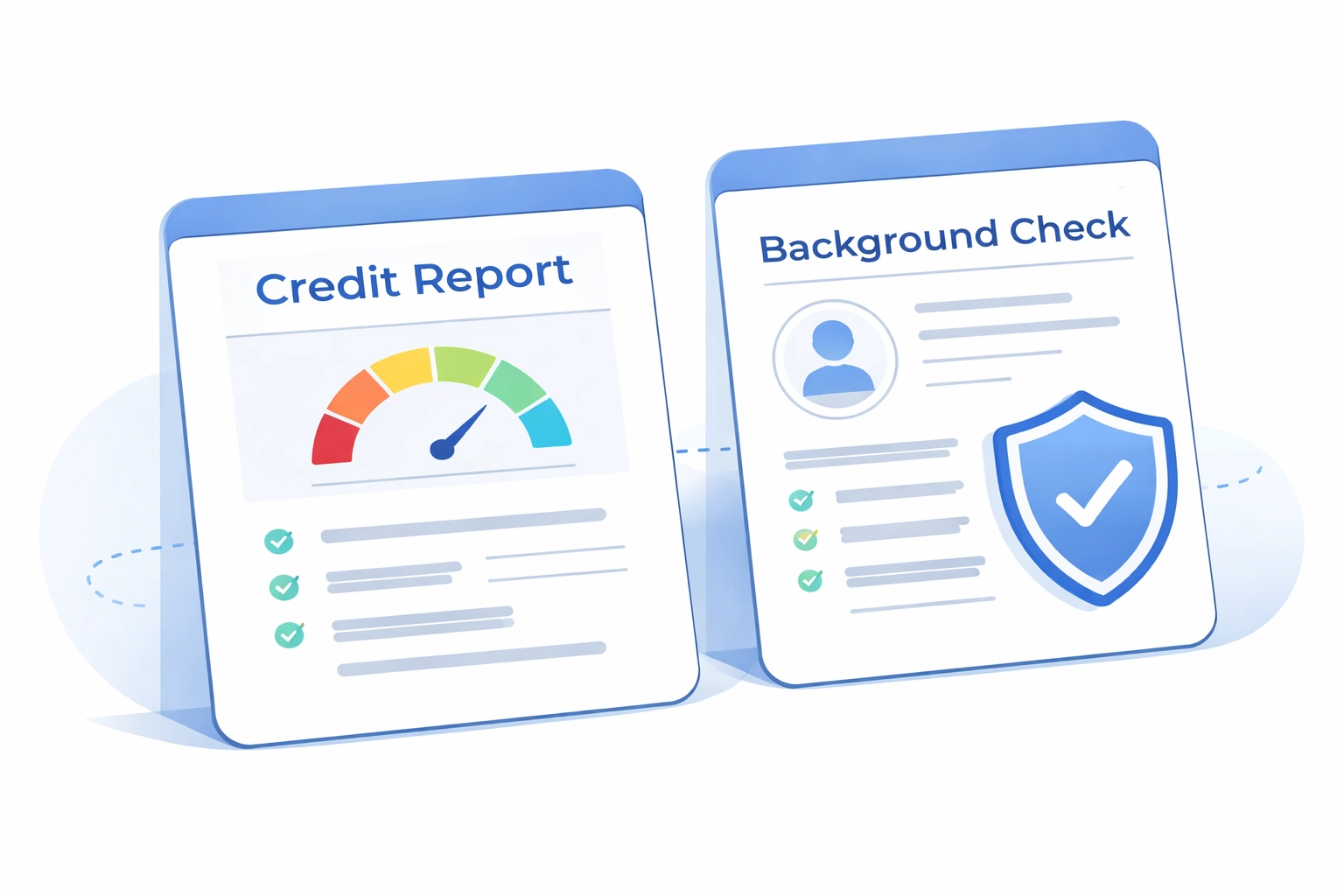
A credit report reveals payment patterns, debt loads, and financial responsibility. A background check uncovers criminal history, prior evictions, and other red flags that don't show up on a credit report.
The Fix: Run both. Every time. Build the application fee to cover these costs so it doesn't come out of your pocket.
Professional tenant screening services streamline this process and ensure you're getting accurate, compliant reports. This isn't the place to cut corners.
Mistake #4: Ignoring Rental History
Credit scores tell you how someone handles debt. Rental history tells you how they treat property.
A tenant might have a stellar 750 credit score but a trail of angry landlords in their wake. Late payments, noise complaints, lease violations, damage beyond normal wear and tear: none of this shows up on a credit report.
Skipping rental history verification is essentially gambling that past behavior won't repeat itself. Spoiler alert: it usually does.
The Fix: Contact at least two previous landlords (not just the current one: they might say anything to get a problem tenant out of their property). Ask specific questions:
Did the tenant pay rent on time?
Did they leave the property in good condition?
Would you rent to them again?
That last question is often the most revealing. Listen carefully to hesitation or vague answers.
Mistake #5: Checking the Wrong References
Your applicant provided three references. Wonderful. But if all three are personal friends who think they're "super nice," you haven't learned anything useful.
Personal references rarely deliver honest assessments of someone's reliability as a tenant. They're designed to make the applicant look good: that's the whole point.
The Fix: Request and verify a mix of reference types:
Previous landlords (rental behavior)
Employer (income verification and job stability)
Professional references (character and reliability)
Call every reference. Ask pointed questions. Cross-reference their answers with the information on the application. Inconsistencies are red flags.

Mistake #6: Poor Communication During the Process
Tenant screening isn't just about evaluating applicants: it's also about them evaluating you.
Radio silence after someone submits an application? Vague answers about your criteria? Unclear timelines? Great tenants have options, and they'll choose the landlord who treats them professionally.
Poor communication also creates anxiety that can lead applicants to accept another offer before you've made a decision.
The Fix: Set clear expectations upfront:
How long the screening process typically takes
What documentation you need
How and when you'll communicate your decision
Even a simple "We've received your application and will follow up within 48 hours" goes a long way toward building a positive landlord-tenant relationship before the lease is even signed.
Mistake #7: Failing to Get Proper Consent
This one can land you in serious legal trouble.
You cannot run a credit check or background check without the applicant's written consent. Period. It doesn't matter how obvious it seems or whether they "should have known" it was part of the process.
Beyond consent, you're also required to follow adverse action procedures if you reject someone based on their credit or background check. This means providing specific notices and giving them a chance to dispute inaccurate information.
The Fix: Use a compliant rental application that includes explicit authorization for credit and background checks. If you deny an applicant based on these reports, provide the required adverse action notice with information about the reporting agency used.
When in doubt, consult with a property management professional or attorney who specializes in landlord-tenant law. The penalties for violations aren't worth the risk.
Why Professional Tenant Screening Services Matter
At this point, you might be thinking: "This seems like a lot of work."
You're right. Proper tenant screening takes time, attention to detail, and knowledge of fair housing laws. One misstep can cost you thousands in damages, lost rent, legal fees, or discrimination claims.
This is exactly why so many landlords partner with professional property management companies for tenant screening services. At 2nd Street Property Management, we handle the entire screening process using consistent, compliant, and comprehensive criteria.
We verify income. We check references. We run credit and background checks. We ensure every applicant is evaluated fairly: and we document everything to protect you legally.
The result? Better tenants, fewer headaches, and more predictable cash flow.
Protect Your Investment Starting Today
Bad tenants don't just damage properties: they damage your peace of mind. Every month of missed rent, every repair bill, every hour spent in court adds up.
The good news? These mistakes are avoidable. Whether you implement stronger screening yourself or bring in professional help, the investment in proper tenant screening pays for itself many times over.
Actionable Tip: Audit your current screening process against this list. Where are your blind spots? What steps are you skipping or doing inconsistently?
If you're feeling overwhelmed: or just want to hand this off to experts who do it every day: reach out to our team. We'd love to show you how professional tenant screening services can protect your investment and your sanity.
Your future self (and your bank account) will thank you.
Comments