
Sync Listings in 24–48 Hours: Rental Listing Syndication for Managers


Rental listing syndication lets you publish one authoritative listing that automatically distributes to dozens of rental portals, saving hours of manual posting and putting your unit in front of far more renters. Start by naming a single source of truth: the master listing every other feed pulls from. Everything else in this guide builds on that one decision.
TL;DR:
Listing updates can take from hours to a week to appear accurately across partner sites, with photos and prices often lagging behind text changes.
Premium listings on major portals like Apartments.com can attract three times more high-quality leads than free options, making upgrades cost-effective for difficult or vacant units.
Setting up a complete master listing with permissions, full data, and a finalized photo set before syndication reduces errors and speeds up the distribution process.
Verification requirements vary by platform, and unresolved issues or missing data can prevent listings from appearing or being flagged for manual review.
Managing inquiry response times within one hour during business hours significantly improves lead conversion and rental success.
Table of Contents
What Is Rental Listing Syndication and How Does It Work?
Rental listing syndication is the process of creating a master listing once, then having that data flow automatically to a network of rental portals through feeds or APIs. You edit rent, availability, or photos in one place, and every connected partner platform updates on its own schedule. That’s the entire mechanic behind “create once, publish many.”
It’s a different animal from manual posting, where you’d log into each site individually and retype the same details a dozen times, or from MLS distribution, which pushes listings into agent networks rather than consumer rental portals. Syndication is built for volume and speed, not agent-to-agent transactions.
The catch is timing. Partners ingest your feed on their own clock, not yours.
Some sites refresh every few hours; others sync once daily or even weekly.
Photos and price changes often lag behind text edits because image processing takes longer.
Moderation queues can hold a listing for review before it goes live, especially for new accounts.
Understanding that lag matters more than most landlords expect. A listing that looks “wrong” on a portal two days after you updated it usually isn’t broken. It’s just waiting its turn.
Which Platforms and Partner Coverage Should You Prioritize?
Coverage isn’t uniform. A single-family home in a mid-size market and a 200-unit apartment complex in a metro area will syndicate to different partner mixes, and verification status can knock some platforms out of the running entirely until you complete their onboarding.
Consumer-facing portals with the widest reach tend to deliver the largest raw traffic numbers, but raw traffic and lead quality are not the same thing. A niche or regional partner sometimes converts better because the audience is narrower and more intent-driven.
High-traffic national portals: strongest for volume, weakest for filtering out unqualified inquiries.
Regional or niche rental sites: smaller reach, often higher-intent leads.
Premium or paid tiers: visibility boosts that can materially change lead flow.
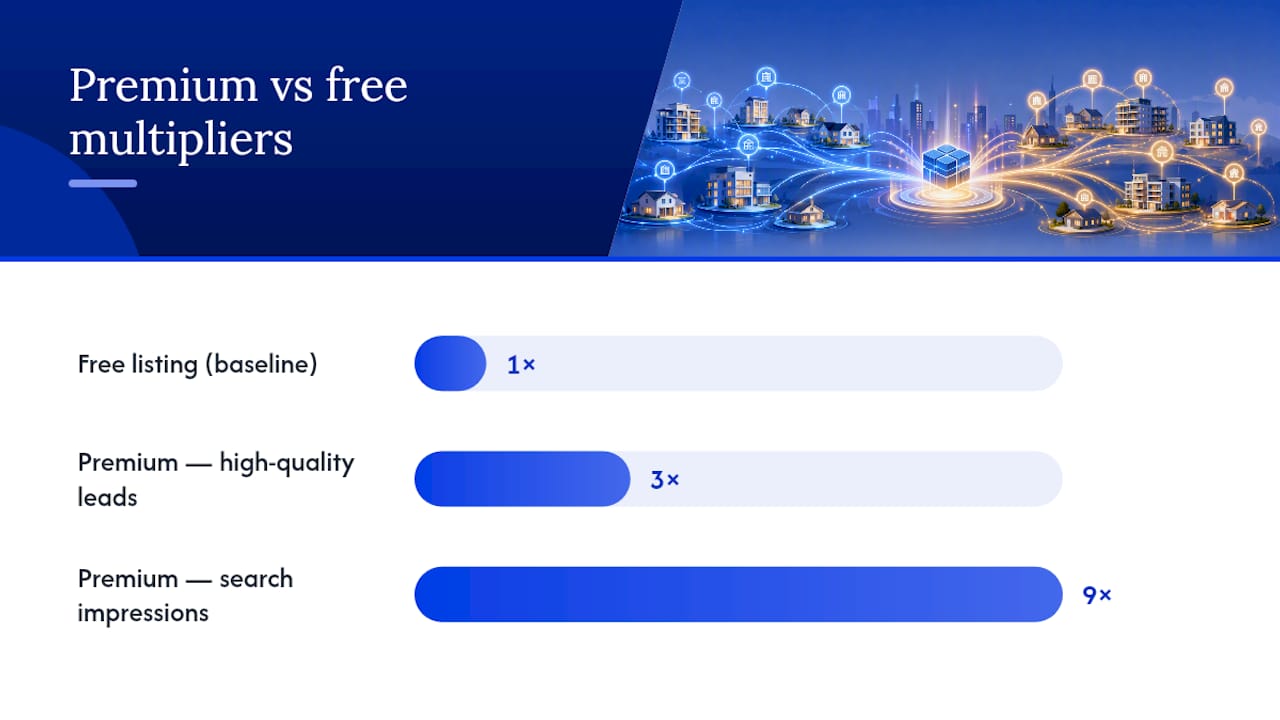
That last point isn’t theoretical. Premium listing packages on Apartments.com can generate roughly three times more high-quality leads and nine times more search impressions than a standard free listing. If you’re managing a unit that’s been sitting for weeks on the free tier, that gap is worth the upgrade cost on its own.
How Do You Set Up a Master Listing for Syndication?
Getting this right the first time saves you from chasing down bad data across ten platforms later. Work through it in order.
Settle permissions and privacy first. Confirm you have rights to every photo, decide whether the exact address or an approximate one gets published, and check the owner’s preferences on video or virtual tour distribution.
Build the master listing completely before you syndicate anything. Fill in rent, availability date, unit type, square footage, pet policy, and a full photo set. Partial listings often get flagged or deprioritized by partner algorithms.
Turn on syndication and watch it propagate. Don’t assume it worked. Check back within 24 to 48 hours and spot-check two or three major partner sites directly.
Validate the live listings against your master record. Confirm price, photos, and availability match what you intended, not what a stale cache is still showing.
A pre-launch plan like this isn’t extra paperwork. It’s what keeps errors from compounding once a listing is widely distributed, because fixing one field in the master record is a lot easier than chasing the same typo across fifteen partner sites.
Pro Tip: Build your photo set before you touch the syndication toggle. Adding images after a listing has already gone live means every partner has to reprocess the update on its own delayed schedule, and your best photos might not appear for days.
Why Isn’t My Listing Showing Up Everywhere?
Verification requirements trip up more landlords than any other part of this process. Most partners want some combination of identity confirmation, proof of ownership or management authority, and, for property management companies, entity documentation. Some platforms also charge partner-specific fees or gate higher visibility behind premium tiers, so a listing that looks complete on your end can still stall on theirs.
When a listing won’t appear on a specific site, work through this order:
Check for a duplicate listing already sitting in that partner’s system under a different account.
Confirm every required field is filled. Missing square footage or an incomplete address is a common silent rejection.
Give the moderation queue time. New accounts and first-time listings often get manually reviewed before publishing.
If an update won’t propagate, contact the partner directly to request a manual refresh or expedited sync rather than waiting out their default schedule.
What Makes a Syndicated Listing Actually Convert?
Getting distributed everywhere is only half the job. The other half is making sure the listing earns a click and the lead gets a response before a renter moves on to the next option.
Write a specific headline. “Renovated 2BR Near Downtown, W/D Included” beats “Nice Apartment for Rent” every time.
Keep the price accurate everywhere. A stale rent figure on even one partner site erodes trust fast.
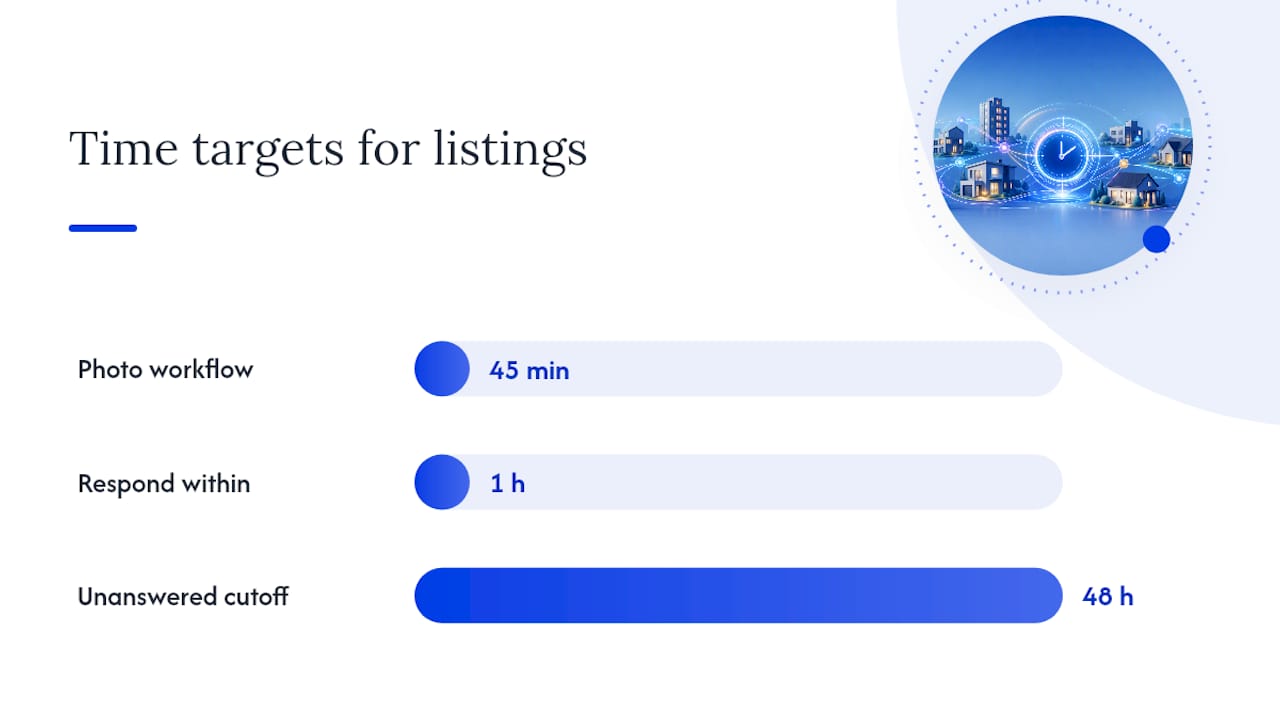
Shoot photos on a tight, repeatable schedule. A 45 minute photo workflow is enough to cover every room, natural light included, without turning it into a half-day project.
Add a video or virtual tour where the platform supports it. Listings with video routinely pull more serious inquiries.
Centralize your inbox. Leads scattered across a dozen portal accounts get missed. Route everything to one place.
Response speed carries more weight than most landlords assume. Syndication increases distribution and can lift lead volume, but the payoff depends entirely on how fast you respond and how well you manage those leads afterward. A flood of inquiries that sit unanswered for two days is worse than a smaller, well-handled pipeline.
Pro Tip: Set a personal rule of responding to every new inquiry within one hour during business hours. Renters touring a competitive market are usually contacting three or four listings at once, and the first landlord to answer often wins the showing.
Once leads start converting to tours, showing best practices determine whether that momentum turns into a signed lease.
How Does a Property Manager Actually Run This Process?
The workflow that holds up under real volume looks less like a one-time setup and more like a maintained system. At 2ndstreetpropertymanagement, that means treating the master record as the only place data gets edited, running photos through a consistent capture process before anything goes live, and handing qualified leads straight into tenant screening rather than letting them sit in a general inbox.
One master record per unit, edited in a single place and never patched directly on a partner site.
A standardized photo and media capture step before the listing is marked ready to syndicate.
A direct handoff from inquiry to screening, so a qualified lead doesn’t lose momentum waiting on manual follow-up.
Run this way, the practical payoff shows up in two places: units lease faster because qualified renters see them sooner, and duplicate or mismatched listings across partner sites become rare instead of routine. Landlords weighing the cost of a managed property management service against DIY syndication are usually really weighing their own time against this kind of consistency.
Broad Reach or Controlled Distribution: Which Should You Choose?
Wider syndication isn’t automatically the better move. Every additional partner site adds exposure, but it also adds another place where an address, a price, or a tenant’s information sits in the open. For a high-demand unit in a tight market, broad distribution usually wins on speed. For an owner-occupied duplex or a unit where the owner is sensitive about privacy, a shorter, curated partner list often serves them better.
Frame it for the owner as a tradeoff, not a default setting: more reach and faster fills against tighter control and quieter distribution. Either way, track lead quality, not just lead count. Ten unqualified inquiries a week tell you less than three qualified ones who actually show up.
— Main
Let 2ndstreetpropertymanagement Handle Your Syndication End to End
Running syndication yourself means juggling partner logins, chasing verification delays, and hoping every lead gets answered fast enough to matter. 2ndstreetpropertymanagement replaces that juggling act with one team that builds your master listing, keeps it synchronized across partner platforms, and routes every inquiry straight into tenant screening instead of a forgotten inbox.
When you bring a property on board, expect a straightforward onboarding step: a walkthrough of the unit’s details, a photo capture, and a review of which partner platforms fit your privacy and speed goals. From there, leasing runs on a system rather than on whatever time you have left in a week. If protecting your cash flow while filling units faster sounds like the right trade, get in touch with 2ndstreetpropertymanagement and ask what a managed leasing setup would look like for your property.
Where to Read More on Listing Syndication
For platform-specific rules, Buildium’s partner list documents accepted property types and requirements site by site. For a broader look at marketing tactics around rental turnover, this partner overview on selling rental property fast offers a useful outside perspective on speed and exposure.
Sources
Recommended
Comments